





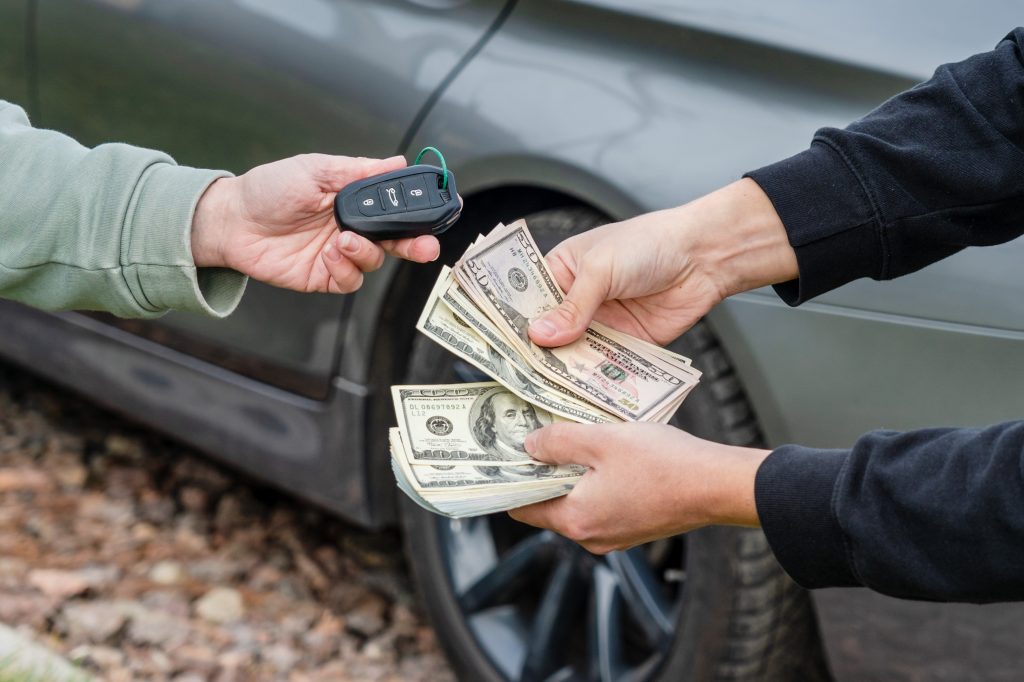
For every driver, there comes a time when you will need to sell your car. Whether you plan to trade it in for a newer model or just sell your spare vehicle, the time will come for you to finally say, “I need to sell my car.” If you are ready to part ways with the vehicle that has been sitting in your driveway or garage for years to give it a new life with a new owner, just know there is a recipe to successfully sell your car to get what it’s worth, and we’ll divulge these secrets just for you. So when the time comes, remember to do these five things before listing your car to maximize its worth.
#1 Choose Your Selling Method
There are actually a variety of ways you can sell your vehicle based on the amount of time and effort you are able to dedicate to finding a new home for your car. Traditionally, many drivers choose to trade in their vehicle and put it towards the purchase of a new one. However, if you don’t need a new car, you have the option to sell it directly to a dealer or take the responsibility into your own hands and sell the vehicle yourself. Both of which come with their pros and cons.
Going the dealer route, whether it’s a trade-in or selling directly for cash, is typically the simplest choice. Selling a car can be time-consuming and often mentally exhausting. From preparation to listing it to advertising and then meeting and bargaining with potential buyers, there’s a lot more to the selling process than just putting a “for sale” sign on the window and waiting for someone to bite.
Some people prefer to do the work themselves, hoping to get more from the sale that way; however, time is valuable and investing it in the car-selling process can often produce less than spectacular results if you are not experienced in selling vehicles. If you’re looking for a quick and easy sale, sell it to a dealer like us and we’ll take on the burden of finding a new owner for you. If you prefer to do it all on your own, that’s fine too. No matter which method you choose, you’ll still have a little bit of work you’ll need to do to seal the deal and get the most from your sale. Preparation is key when deciding to handle the duties normally delegated to a dealer.

#2 Determine Your Selling Price
Once you have figured out which selling method works best for you and your goals for selling your car, the next thing you want to do is study the market. As much as your vehicle may seem worth to you, the market value may not agree. This is why you need to research what your make and model is going for around your area.
Researching local used car dealerships and even websites like Kelley Blue Book and local online marketplaces is a great place to start to get an idea of your car’s value. This allows you to generate a fair and reasonable price range that you are willing to sell your car for, whether as a trade or for cash from a dealer or private sale. However, if you know you want to sell your car to a dealer, get an accurate estimate of its value. Although we still encourage you to investigate what models similar to yours are selling for so you know you are getting a fair deal, your best bet is to go straight to your chosen dealership.
Another thing to consider while researching the market for your car’s selling price is where models like yours are selling. If you plan on trying to sell your heavy-duty, full-size pickup privately in the city you live in, and you see that the few trucks like yours that are listed for sale on the internet in your area have been listed for a while, possibly even with decreased sale prices, you may not want to advertise it there due to lack of demand. You may find that listing it in the rural areas around the heart of the city you reside in can get you better results. Understanding your potential customer demographic may generate potential areas you can list your vehicle on. Try to think beyond just your town or city. You may need to expand your selling radius in order to attract a buyer.
Dealerships also come with some factors to consider before agreeing to sell to them. If you browse through the inventory on their website and find they are stocked with many models like yours, you might not want to sell to them. They’ll likely buy from you, but perhaps not at the price you were hoping for. To get the most from your sale, research the market.
#3 Prepare Your Car for the Sale
No matter which method you choose to sell your car, you will need to do some prep-work before the sale. From the squealing brakes to the squeaky door to even just a deep cleaning to the interior and exterior, you will want to make sure your vehicle is presentable and in good working order to get what your car is worth. That is unless you are willing to accept less than its market value, but let’s be honest, you hope to make a profit, right? Of course.
One of the benefits of selling to a dealership, whether as a trade-in or for cash, is that you can skip some of the preparation if you want to. Most dealerships are going to perform a thorough inspection, make repairs, and do a full detailing to your car before they sell it to another buyer. If you wanted to replace the headlight that was out and only do light cleaning to the interior and exterior, or just skip it all completely, a dealer will still likely buy it from you, just at a lower price than if you had fixed the obvious issues and gotten it detailed yourself. If you choose not to clean your vehicle at all and put it out for sale yourself with a headlight out, with a dirty exterior, and an interior that looks like you shaved your dog in the back seat, potential buyers will hassle you on the price, and unless you are willing to take less than its worth, you are going to have a lot of people pass on the sale. To put it simply—you’re going to get out what you put into it.
Whether you sell your car yourself or to a dealership, what you will need to do is clean out all of your personal belongings and remove your personal information from the car completely. This includes removing anything from the vehicle you don’t want the next owner to have. Whether it be your roadside emergency kit in the back or anything you may have lost in the storage compartments throughout the cabin over the years, if it’s important, make sure it’s out of the car. Most importantly, make sure you remove any paperwork from the vehicle with your personal information.
The last thing you need to do in preparation for selling your car, which is just as crucial as removing your physical imprint from the car, is removing your digital footprint. This includes wiping the history from your vehicle’s navigation, deleting your cell phone’s connected information with your saved contacts, and even canceling or transferring any subscriptions like satellite radio. Once your car is clear of all the signs of your ownership, you are ready for everyone’s least favorite part of the car selling process.
#4 Gather Paperwork
Gathering the paperwork to sell your car sounds easier than it is, especially if you have never sold a vehicle before. Get yourself prepared to do some research and hunting because unless you plan on selling to a dealership, the whole paperwork process is in your hands. Although some of the documents we’re going to recommend are not required to complete a sale, they will make your vehicle more appealing to potential buyers, which in turn could get you more money than if you didn’t have them.
If your vehicle is still covered under an extended warranty and you are selling privately, it’s good to have the details and proof of the warranty handy for your potential buyers. It will not only increase the value of your vehicle and make it more appealing than other vehicles being sold privately but having the information will make it easier for them when they need to make a claim under warranty. Dealerships usually have access to look up any warranty information on your vehicle, but it won’t hurt to bring it along if you have it handy.
The universal piece of paperwork needed for any car sale is a vehicle’s title since it is documentation of the vehicle’s legal owner. With any car sale, you will need a transfer of title. Some states do not require a title to sell a car once it has reached a certain age, but Texas is not one of them. The state even recommends that if you sell your car privately, to visit them at the county tax office and make sure they file for the transfer of title. By doing this, you cannot be held liable for tolls, parking tickets, or even crimes that the buyer committed in your vehicle. Dealerships are not required to transfer the title in their name when buying your vehicle. It is recommended that even if you sell to a dealer, you file for a Vehicle Transfer Notification. This ensures that once the dealer does sell your car to someone, you are protected against violations committed by whoever bought your car and failed to transfer the title into their name.
A sales contract like a bill of sale is another piece of documentation commonly used with car sales. In the pile of paperwork that gets put in front of you at a dealership when you buy, sell, or trade-in a vehicle of the documents requiring your signature is usually some sort of sales contract. But when you’re handling the sale of your car on your own, you are in charge of getting all the paperwork together and ready for your buyer.

#5 List Your Car for Sale
Now that you have your selling price in mind, your car is prepped, you’ve cleaned the vehicle and made any necessary repairs, or not, and you’ve gathered all of the paperwork you need, you are ready to list your vehicle for sale. Take a few pictures of your car’s interior and exterior, put together a detailed description of the vehicle, slap the “for sale” sign in the window, and list it online. It is good practice to list your car for sale on many platforms or websites to reach as many people as possible. But if you’re selling to a dealership, all you need to do is shop around for the dealer who will offer you the most for your vehicle.
Ready to Sell Your Car?
When you are ready to sell your car, we here at North Park Chevrolet in Castroville, TX will make selling your car easy for you. Not only will we take care of most of the daunting paperwork for you, but we can even give you an estimate for your car without bringing it to us. Today’s technology has allowed us to make the process simpler than ever. All you need to do is text us a few pictures of the interior and exterior of the car, send us the VIN number, its current mileage, and let us know if there are any cosmetic or mechanical issues we should know about and we’ll let you know what your vehicle is worth. So when you are ready to sell your car, you should not only consider making the process easier for yourself by selling to a dealership but consider letting us make selling to a dealer even simpler.
Connect with us


- July 2026
- June 2026
- May 2026
- April 2026
- March 2026
- February 2026
- January 2026
- December 2025
- November 2025
- October 2025
- September 2025
- August 2025
- July 2025
- June 2025
- May 2025
- April 2025
- March 2025
- February 2025
- January 2025
- December 2024
- November 2024
- October 2024
- September 2024
- August 2024
- July 2024
- June 2024
- May 2024
- April 2024
- March 2024
- February 2024
- January 2024
- December 2023
- November 2023
- October 2023
- September 2023
- August 2023
- July 2023
- June 2023
- May 2023
- April 2023
- March 2023
- February 2023
- January 2023
- December 2022
- November 2022
- October 2022
- September 2022
- August 2022
- July 2022
- June 2022
- May 2022
- April 2022
- March 2022
- February 2022
- January 2022
- December 2021
Archives
- 2024 Chevy Blazer
- 2024 Chevy Equinox EV
- 2024 Chevy Suburban
- 2024 Silverado EV vs 2024 Ford F-150 Lightning
- 2025 Chevy Blazer
- 2025 Chevy Blazer EV
- 2025 Chevy Colorado
- 2025 Chevy Colorado vs 2025 Ford Ranger
- 2025 Chevy Equinox
- 2025 Chevy Equinox EV
- 2025 Chevy Silverado 1500
- 2025 Chevy Silverado 2500 HD
- 2025 Chevy Silverado 3500 HD
- 2025 Chevy Suburban
- 2025 Chevy Tahoe
- 2025 Chevy Trailblazer
- 2025 Chevy Traverse
- 2025 Chevy Traverse vs 2025 GMC Acadia
- 2025 Chevy Trax
- 2026 Chevy Colorado
- 2026 Chevy Colorado vs 2026 GMC Canyon
- 2026 Chevy Equinox
- 2026 Chevy Silverado 1500
- 2026 Chevy Silverado 1500 vs 2026 GMC Sierra 1500
- 2026 Chevy Silverado 1500 vs 2026 Ram 1500
- 2026 Chevy Silverado 2500 HD
- 2026 Chevy Tahoe
- 2026 Chevy Trax
- 2027 Chevy Bolt
- 2027 Chevy Silverado 1500
- Bigfoot Chevy Dealership
- Blazer EV for Sale
- Blazer EV for Sale Near San Antonio
- Boerne Chevy Dealer
- Braun's Farm Chevy Dealership
- Budget Cars for Sale
- Castroville Chevy Dealership
- Certified Pre-Owned Chevy Dealer
- Chevrolet Camaro Dealer
- Chevrolet Dealership San Antonio
- Chevy Blazer for Sale
- Chevy Bolt for Sale
- Chevy Colorado for Sale
- Chevy Colorado for Sale In Castroville
- Chevy Colorado for Sale Near Helotes
- Chevy Colorado for Sale Near Hondo
- Chevy Colorado for Sale Near Lakehills
- Chevy Colorado for Sale Near San Antonio
- Chevy Dealer
- Chevy Dealer Near Converse
- Chevy Dealer Near Lakehills
- Chevy Dealer Near Me
- Chevy Dealer Near Pearsall
- Chevy Dealer Near San Antonio
- Chevy Dealer Serving Uvalde
- Chevy Equinox EV Dealer
- Chevy Equinox EV for Sale
- Chevy Equinox EV for Sale Near Castroville
- Chevy Equinox EV for Sale Near San Antonio
- Chevy Equinox for Sale
- Chevy Equinox for Sale Near San Antonio
- Chevy Equinox for Sale Near Uvalde
- Chevy EV Dealer
- Chevy Fleet Vehicles for Sale
- Chevy Malibu for Sale
- Chevy Silverado 1500 Dealer
- Chevy Silverado 1500 for Sale
- Chevy Silverado 1500 for Sale in Castroville
- Chevy Silverado 1500 for Sale Near Fair Oaks Ranch
- Chevy Silverado 1500 for Sale Near Helotes
- Chevy Silverado 1500 for Sale Near Hondo
- Chevy Silverado 1500 for Sale Near San Antonio
- Chevy Silverado 1500 for Sale Near Uvalde
- Chevy Silverado 2500 for Sale Near San Antonio
- Chevy Silverado EV for Sale in Castroville
- Chevy Suburban for Sale
- Chevy Suburban for Sale Near San Antonio
- Chevy Suburban for Sale Near Uvalde
- Chevy SUVs for Sale
- Chevy Tahoe for Sale Near Hondo
- Chevy Tahoe for Sale Near Lakehills
- Chevy Tahoe for Sale Near San Antonio
- Chevy Trailblazer for Sale
- Chevy Trailblazer for Sale Near San Antonio
- Chevy Traverse for Sale
- Chevy Traverse for Sale in Castroville
- Chevy Traverse for Sale Near Helotes
- Chevy Traverse for Sale Near Lakehills
- Chevy Traverse for Sale Near Leon Valley
- Chevy Traverse for Sale Near San Antonio
- Chevy Trax for Sale
- Chevy Trax for Sale in Castroville
- Chevy Trax for Sale Near San Antonio
- Chevy Trucks for Sale
- Chevy Trucks for Sale Near Hondo
- Chevy Trucks for Sale Near Lakehills
- Devine Chevy Dealer
- Electric Vehicles for Sale
- GM Purchase Programs
- Helotes Chevy Dealer
- Hondo Chevrolet Dealer
- Hondo Chevy Dealer
- Leon Valley Chevy Dealership
- Moore Chevy Dealer
- Oak Grove Chevrolet Dealer
- Oil Change
- Oil Change Near Me
- San Antonio Chevrolet Dealer
- San Antonio Chevy Commercial Truck Dealer
- San Antonio Chevy Dealer
- San Antonio Chevy Suburban Dealer
- San Antonio Used Car Dealerships
- San Antonio Used Chevy Dealer
- Sell My Car
- Silverado 2500 for Sale
- Silverado EV for Sale
- Silverado EV for Sale Near San Antonio
- SUVs for Sale
- SUVs for Sale in Castroville
- SUVs for Sale in San Antonio
- SUVs for Sale Near Hondo
- Tahoe for Sale
- Texas Chevy Dealer
- Truck Dealer Near Me
- Trucks for Sale
- Used Car Dealer Near Me
- Used Cars for Sale
- Used Chevy Dealer
- Used Chevy Silverado for Sale
- Used Chevy Silverado for Sale Near San Antonio
- Used Chevy Trucks Near Me
- Used SUVs for Sale
- Used Truck Dealer Near San Antonio
- Used Truck Dealership
- Used Trucks for Sale
- Used Trucks for Sale in Castroville, TX
- Used Trucks for Sale Near San Antonio
- Work Trucks for Sale