




Your vehicle is likely one of the biggest investments you’ll make, which means it’s essential to do all you can to ensure it remains in good working condition. All vehicles—regardless of whether they’re used sparingly or daily—require maintenance, such as oil changes, brake work, fluid flushes, and more. The key to making sure your vehicle continues to run well for a long time is knowing what services are needed, when they’re needed, and who can complete them. For instance, what services should you schedule alongside an oil change?
Our team at North Park Chevrolet can help you with the answer to that question and many more regarding your vehicle’s maintenance. If you’ve been searching for “oil change near me,” let us help you out. Our factory-trained technicians have access to the latest tools in our state-of-the-art service center, which allows them to assist you with a number of maintenance tasks. Not only that, but their knowledge gives you a heads-up about replacements or repairs you might need in the future so that you can better plan for them. Keep reading to learn more about our services and how to maximize your oil change by including vital services that keep your car running smoothly.
Making the Most of an Oil Change Appointment
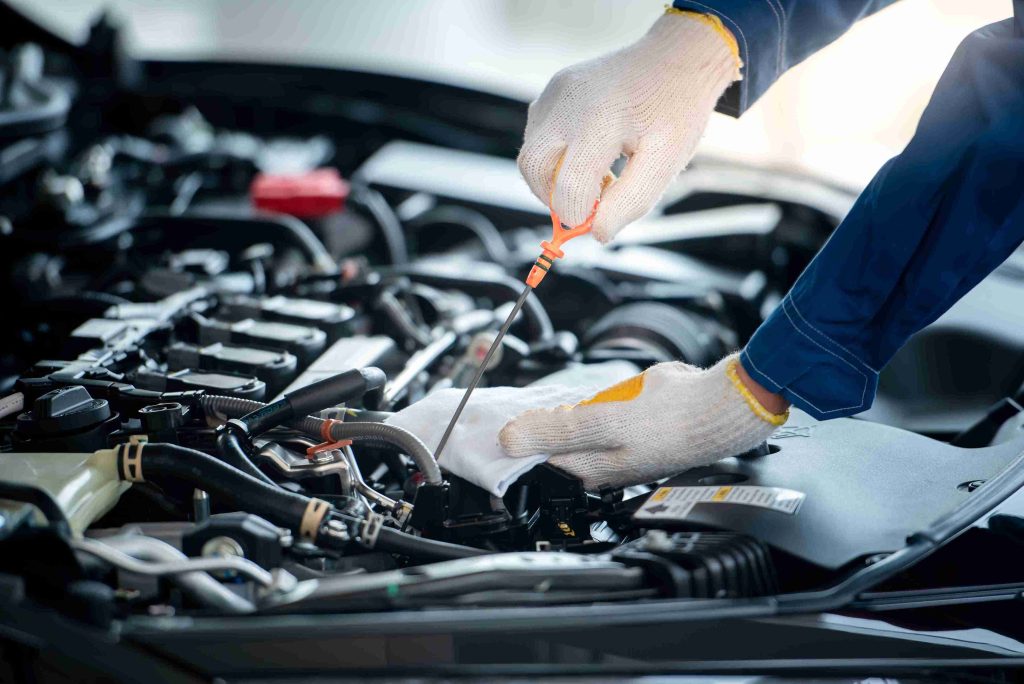
If you’ve ever owned your own vehicle, you know that an oil change is a standard maintenance requirement, but you might not know why it’s important. Oil is what lubricates the engine’s moving parts, reducing friction, preventing overheating, and limiting wear. Over time, it begins to degrade, which makes it less effective. An oil change removes the old oil and replaces it with new oil, which guarantees optimum lubrication, improves engine efficiency, and extends engine life. Regular oil changes also help to preserve fuel economy and avoid costly engine damage.
By combining extra services with your oil change, you can save time and money while keeping your vehicle running smoothly for longer. Some of the additional services you should consider when bringing your vehicle to our team are explored below.
Check and Replace the Air Filter
The engine’s air filter ensures that only clean air enters the engine. In doing so, fuel efficiency and performance are improved. Over time, the filter can become clogged with dirt, debris, and dust, limiting airflow and decreasing engine efficiency. During an oil change, we can inspect the air filter and replace it if necessary, helping to significantly improve engine performance and longevity.
Focus on Fluids
Your car relies on a variety of fluids to run properly. During an oil change is a great time to inspect and top off these essential fluids:
- Coolant: Coolant, or antifreeze, protects the engine from overheating or freezing.
- Brake Fluid: Keeps the braking system running smoothly.
- Transmission Fluid: Promotes proper gear shifting and decreases wear on transmission components.
- Power Steering Fluid: Helps your steering wheel operate smoothly and easily.
Keeping these fluids at optimal levels can help prevent issues as you travel from point A to point B, so be sure to take advantage of this when you bring your vehicle in for an oil change.
Tire Rotation
Tires wear unevenly based on their position on the vehicle. Regular tire rotation ensures even wear, extending tire life and improving fuel efficiency. Because your car is already on a lift for an oil change, it’s a great time to request that your tires be rotated. Most manufacturers recommend a tire rotation every 5,000 to 7,500 miles. However, there are some exceptions. For instance, if your vehicle is all-wheel drive or you often drive for long distances, you might need to have the tires rotated sooner, say every 3,000 to 5,000 miles. Additionally, road conditions can also affect tire wear, which might lead to a need for earlier than normal rotation services.

Tire Pressure and Condition
Tire rotation isn’t the only thing that should be included when getting the car’s oil changed. Underinflated or overinflated tires can cause uneven wear, decreased fuel efficiency, and even blowouts. When you bring your vehicle in for an oil change, we will check the tire pressure, making sure it matches the manufacturer’s recommended level. In addition, we can also check for signs of damage, such as punctures, cracks, or uneven wear patterns. If we notice issues, we can offer recommendations so you have the details you need to make an informed decision.
Brake Inspection
Your vehicle’s brakes are an important safety feature that requires frequent inspection. When you bring your car in for an oil change, we can check the brake pads and rotors for wear. If they are thin or your rotors are damaged, replacing them before they fail will save you money on repairs and ensure that your vehicle stops when you need it to.
Replace the Cabin Air Filter
Many drivers underestimate the significance of the cabin air filter, which keeps the air inside the vehicle clean by filtering out dust, pollen, and other contaminants. Like the engine filter mentioned above, the cabin air filter can become clogged over time, limiting airflow and increasing the workload on your vehicle’s climate control system. During an oil change, the filter should be examined and replaced as needed. Doing so will help keep your heating and air conditioning running smoothly and allow you and your passengers to breathe easier.
Inspect Belts and Hoses
Your car’s belts and hoses are key components that power vital systems like the alternator, power steering pump, and air conditioning compressor. Belts can wear down or split over time, while hoses might leak or deteriorate. Having them inspected during an oil change can help you avoid unexpected problems and expensive repairs. Plus, early detection of a worn belt or a leaking hose helps avoid becoming stuck on the side of the road.

Test the Battery
Speaking of getting stuck on the side of the road—or anywhere your vehicle might be when your battery stops working—it’s important to make sure the battery is tested regularly. Your car’s battery is essential for starting the engine and powering electrical systems. Extreme temperatures and age can degrade it, resulting in delayed engine starts or full failure. During an oil change, we can check the battery’s voltage and overall health. If it’s weak or nearing the end of its life, we can change it for you, saving you from the frustration of a dead battery later.
Examine the Exhaust System
A well-maintained exhaust system keeps your car running smoothly and reduces dangerous emissions. During an oil change, the exhaust system can be checked for rust, leaks, or signs of damage. Addressing exhaust system issues early on can improve fuel efficiency, reduce noise, and help your vehicle pass emissions testing.
Wiper Blade Replacement
Wiper blades wear down over time due to their exposure to the weather, resulting in poor visibility when you need it most. With this in mind, it makes sense to have them inspected during an oil change so that you don’t have to worry about poor performance during an inclement weather event.
Benefits of Combining Services With an Oil Change
There are a number of reasons to combine some or all of the above mentioned services with an oil change, with the biggest one being that it saves time. Rather than making a few trips to our service center, you only need to make one. Also, regularly inspecting the various components of your vehicle helps with early diagnosis of issues as well as helping you prepare for future expenses. Additionally, maintaining the entire vehicle allows it to perform at full efficiency, improving fuel economy and extending the life of key components.

Schedule a Service Appointment Today
An oil change is a necessary maintenance task, but it’s also a great time to complete a variety of other services to keep your car in peak condition. You can maximize the benefits of your oil change by having our team complete the services above and any others that your particular vehicle might need. Taking the proactive approach will save you money, keep you from being stranded, and give you greater peace of mind.
It’s easy to schedule a service appointment with our team. You can either set it up online or you can call our team to see when the next available appointment might be. We can also answer any questions you have about the services we complete or any you might be curious about. Set up your appointment today and take the first step to boosting your vehicle’s longevity.
Connect with us


- July 2026
- June 2026
- May 2026
- April 2026
- March 2026
- February 2026
- January 2026
- December 2025
- November 2025
- October 2025
- September 2025
- August 2025
- July 2025
- June 2025
- May 2025
- April 2025
- March 2025
- February 2025
- January 2025
- December 2024
- November 2024
- October 2024
- September 2024
- August 2024
- July 2024
- June 2024
- May 2024
- April 2024
- March 2024
- February 2024
- January 2024
- December 2023
- November 2023
- October 2023
- September 2023
- August 2023
- July 2023
- June 2023
- May 2023
- April 2023
- March 2023
- February 2023
- January 2023
- December 2022
- November 2022
- October 2022
- September 2022
- August 2022
- July 2022
- June 2022
- May 2022
- April 2022
- March 2022
- February 2022
- January 2022
- December 2021
Archives
- 2024 Chevy Blazer
- 2024 Chevy Equinox EV
- 2024 Chevy Suburban
- 2024 Silverado EV vs 2024 Ford F-150 Lightning
- 2025 Chevy Blazer
- 2025 Chevy Blazer EV
- 2025 Chevy Colorado
- 2025 Chevy Colorado vs 2025 Ford Ranger
- 2025 Chevy Equinox
- 2025 Chevy Equinox EV
- 2025 Chevy Silverado 1500
- 2025 Chevy Silverado 2500 HD
- 2025 Chevy Silverado 3500 HD
- 2025 Chevy Suburban
- 2025 Chevy Tahoe
- 2025 Chevy Trailblazer
- 2025 Chevy Traverse
- 2025 Chevy Traverse vs 2025 GMC Acadia
- 2025 Chevy Trax
- 2026 Chevy Colorado
- 2026 Chevy Colorado vs 2026 GMC Canyon
- 2026 Chevy Equinox
- 2026 Chevy Silverado 1500
- 2026 Chevy Silverado 1500 vs 2026 GMC Sierra 1500
- 2026 Chevy Silverado 1500 vs 2026 Ram 1500
- 2026 Chevy Silverado 2500 HD
- 2026 Chevy Tahoe
- 2026 Chevy Trax
- 2027 Chevy Bolt
- 2027 Chevy Silverado 1500
- Bigfoot Chevy Dealership
- Blazer EV for Sale
- Blazer EV for Sale Near San Antonio
- Boerne Chevy Dealer
- Braun's Farm Chevy Dealership
- Budget Cars for Sale
- Castroville Chevy Dealership
- Certified Pre-Owned Chevy Dealer
- Chevrolet Camaro Dealer
- Chevrolet Dealership San Antonio
- Chevy Blazer for Sale
- Chevy Bolt for Sale
- Chevy Colorado for Sale
- Chevy Colorado for Sale In Castroville
- Chevy Colorado for Sale Near Helotes
- Chevy Colorado for Sale Near Hondo
- Chevy Colorado for Sale Near Lakehills
- Chevy Colorado for Sale Near San Antonio
- Chevy Dealer
- Chevy Dealer Near Converse
- Chevy Dealer Near Lakehills
- Chevy Dealer Near Me
- Chevy Dealer Near Pearsall
- Chevy Dealer Near San Antonio
- Chevy Dealer Serving Uvalde
- Chevy Equinox EV Dealer
- Chevy Equinox EV for Sale
- Chevy Equinox EV for Sale Near Castroville
- Chevy Equinox EV for Sale Near San Antonio
- Chevy Equinox for Sale
- Chevy Equinox for Sale Near San Antonio
- Chevy Equinox for Sale Near Uvalde
- Chevy EV Dealer
- Chevy Fleet Vehicles for Sale
- Chevy Malibu for Sale
- Chevy Silverado 1500 Dealer
- Chevy Silverado 1500 for Sale
- Chevy Silverado 1500 for Sale in Castroville
- Chevy Silverado 1500 for Sale Near Fair Oaks Ranch
- Chevy Silverado 1500 for Sale Near Helotes
- Chevy Silverado 1500 for Sale Near Hondo
- Chevy Silverado 1500 for Sale Near San Antonio
- Chevy Silverado 1500 for Sale Near Uvalde
- Chevy Silverado 2500 for Sale Near San Antonio
- Chevy Silverado EV for Sale in Castroville
- Chevy Suburban for Sale
- Chevy Suburban for Sale Near San Antonio
- Chevy Suburban for Sale Near Uvalde
- Chevy SUVs for Sale
- Chevy Tahoe for Sale Near Hondo
- Chevy Tahoe for Sale Near Lakehills
- Chevy Tahoe for Sale Near San Antonio
- Chevy Trailblazer for Sale
- Chevy Trailblazer for Sale Near San Antonio
- Chevy Traverse for Sale
- Chevy Traverse for Sale in Castroville
- Chevy Traverse for Sale Near Helotes
- Chevy Traverse for Sale Near Lakehills
- Chevy Traverse for Sale Near Leon Valley
- Chevy Traverse for Sale Near San Antonio
- Chevy Trax for Sale
- Chevy Trax for Sale in Castroville
- Chevy Trax for Sale Near San Antonio
- Chevy Trucks for Sale
- Chevy Trucks for Sale Near Hondo
- Chevy Trucks for Sale Near Lakehills
- Devine Chevy Dealer
- Electric Vehicles for Sale
- GM Purchase Programs
- Helotes Chevy Dealer
- Hondo Chevrolet Dealer
- Hondo Chevy Dealer
- Leon Valley Chevy Dealership
- Moore Chevy Dealer
- Oak Grove Chevrolet Dealer
- Oil Change
- Oil Change Near Me
- San Antonio Chevrolet Dealer
- San Antonio Chevy Commercial Truck Dealer
- San Antonio Chevy Dealer
- San Antonio Chevy Suburban Dealer
- San Antonio Used Car Dealerships
- San Antonio Used Chevy Dealer
- Sell My Car
- Silverado 2500 for Sale
- Silverado EV for Sale
- Silverado EV for Sale Near San Antonio
- SUVs for Sale
- SUVs for Sale in Castroville
- SUVs for Sale in San Antonio
- SUVs for Sale Near Hondo
- Tahoe for Sale
- Texas Chevy Dealer
- Truck Dealer Near Me
- Trucks for Sale
- Used Car Dealer Near Me
- Used Cars for Sale
- Used Chevy Dealer
- Used Chevy Silverado for Sale
- Used Chevy Silverado for Sale Near San Antonio
- Used Chevy Trucks Near Me
- Used SUVs for Sale
- Used Truck Dealer Near San Antonio
- Used Truck Dealership
- Used Trucks for Sale
- Used Trucks for Sale in Castroville, TX
- Used Trucks for Sale Near San Antonio
- Work Trucks for Sale